
 中文简体
中文简体


Dacă aveți nevoie de ajutor, vă rugăm să nu ezitați să ne contactați
Introducere în bromura de 1-etil-3-metilimidazoliu Bromură de 1-etil-3-metilimidazoliu este un tip de lichid ionic cunoscut pentru stabilitatea chim...
CITIȚI MAI MULTE

Tehnologia LDET se concentrează pe cercetarea, dezvoltarea, producția și vânzările de lichide ionice și aditivi pentru Produse electronice flexibile

Nr. 892, Changhong East Street, Fuxi Street, Deqing County, Huzhou City, Provincia Zhejiang, China
Dacă aveți nevoie de ajutor, vă rugăm să nu ezitați să ne contactați
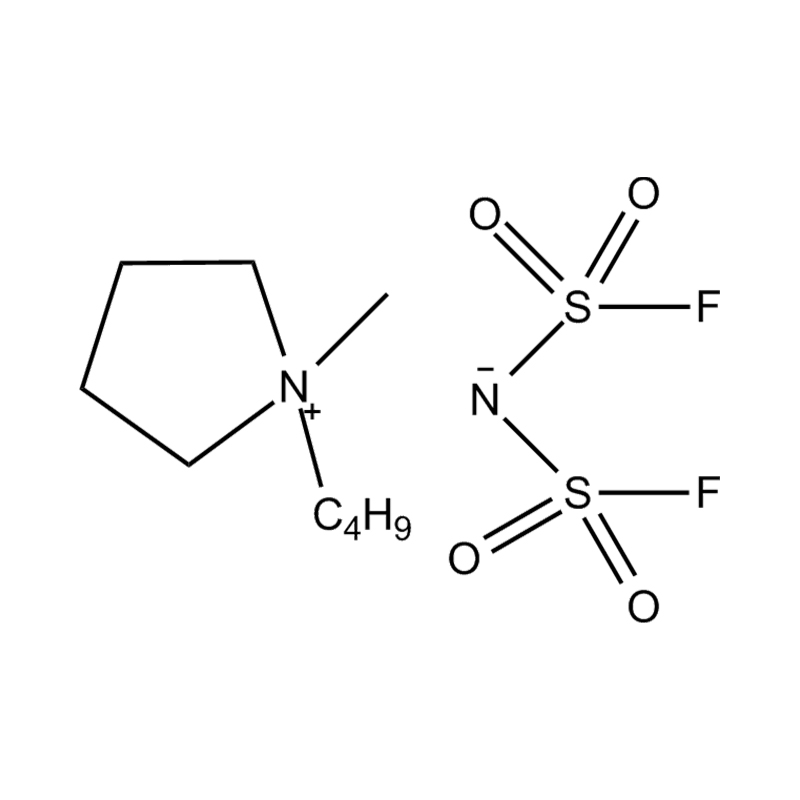
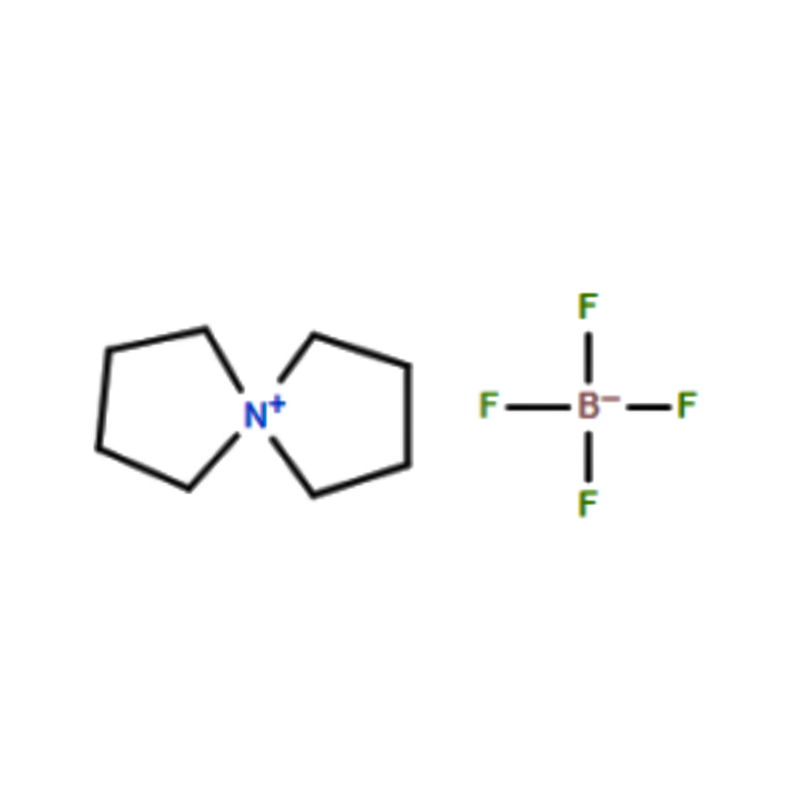
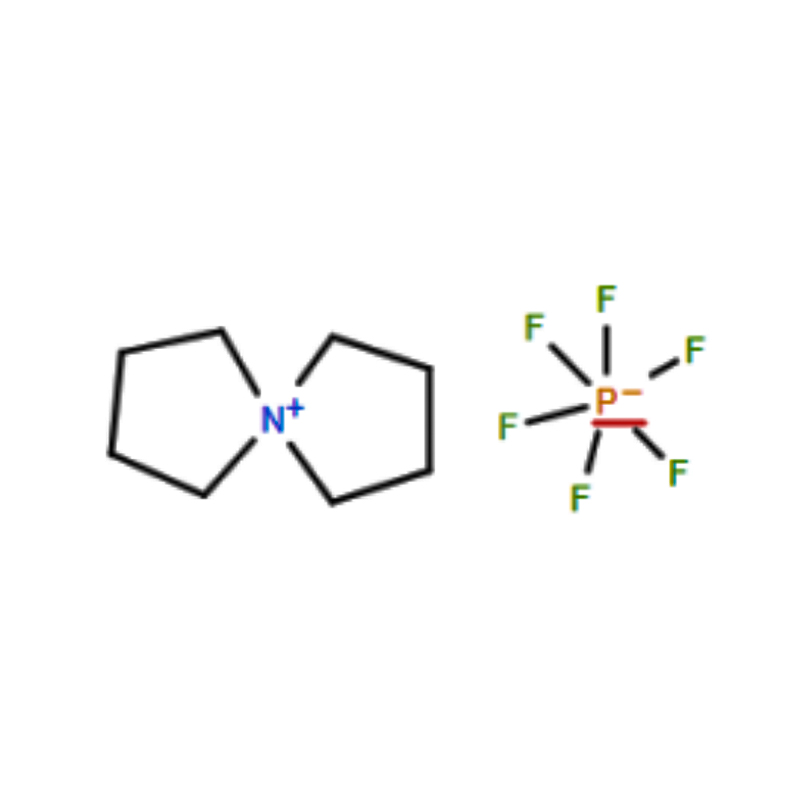
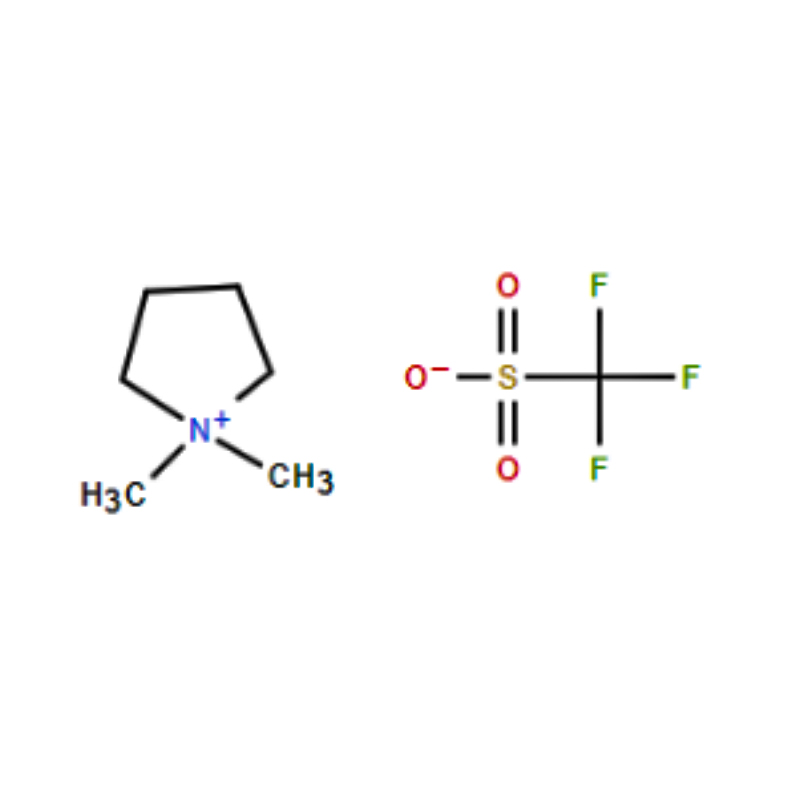
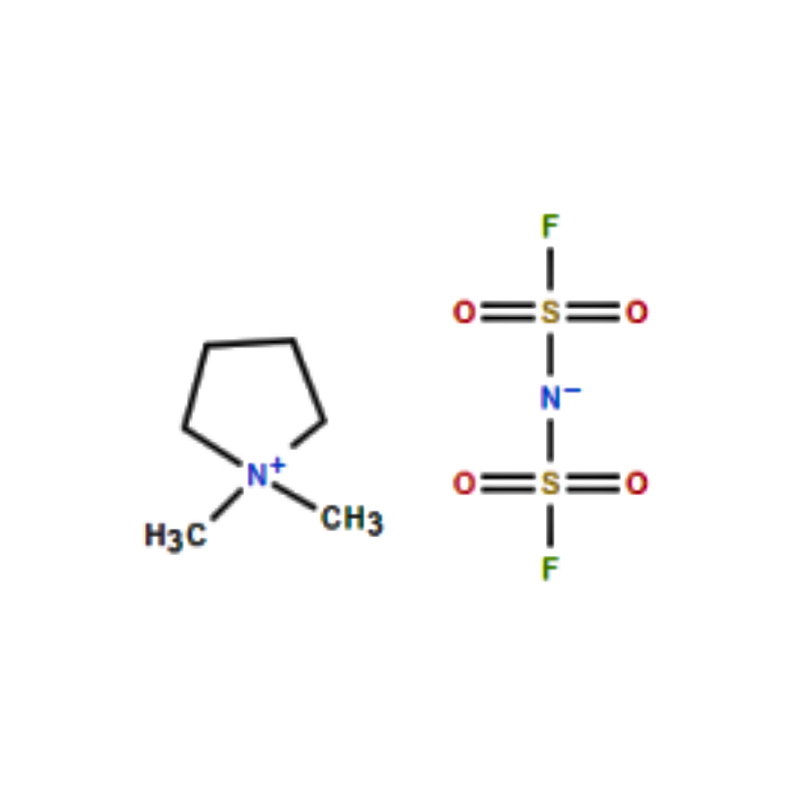
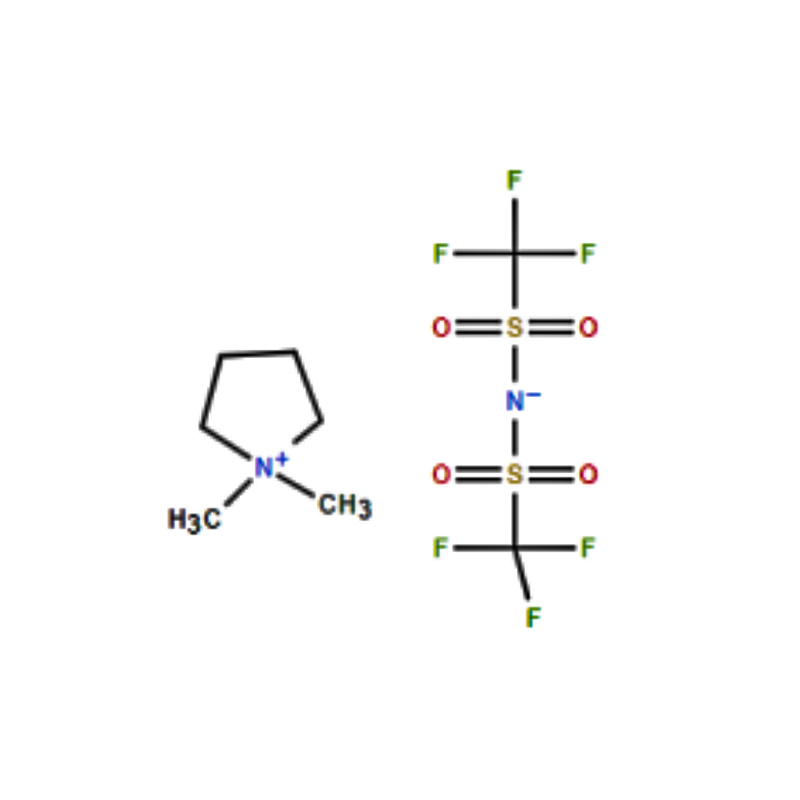
Pyrrolidines are ionic liquids that do not contain unsaturated bonds and have good chemical stability, and these ionic liquids with bis(trifluoromethylsulfonyl)imide anion show good electrochemical properties. The cation is: N-alkyl-N-methyl pyrrolidine, of which the alkyl group has: ethyl, propyl, butyl, hexyl, octyl, etc.; the anion includes: bromine, tetrafluoroborate, hexafluorophosphoric acid, bis(trifluoromethanesulfonyl)imide and so on.
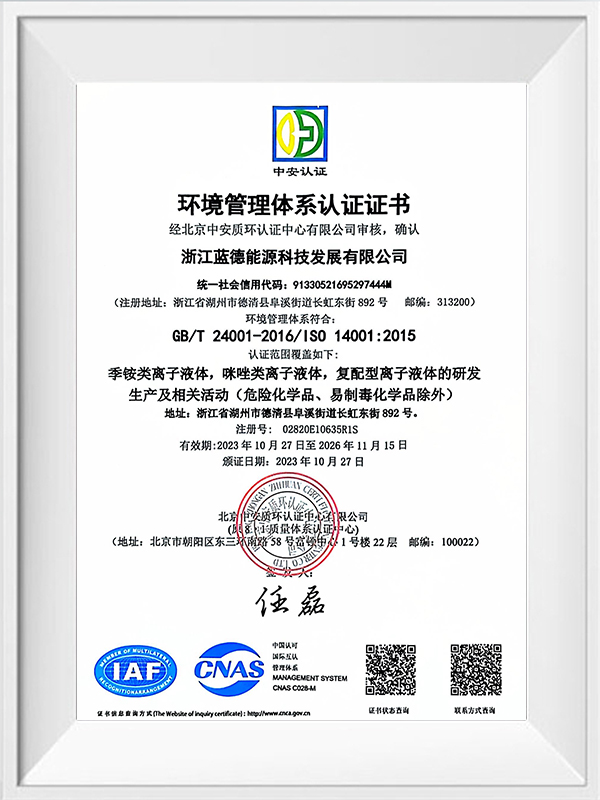
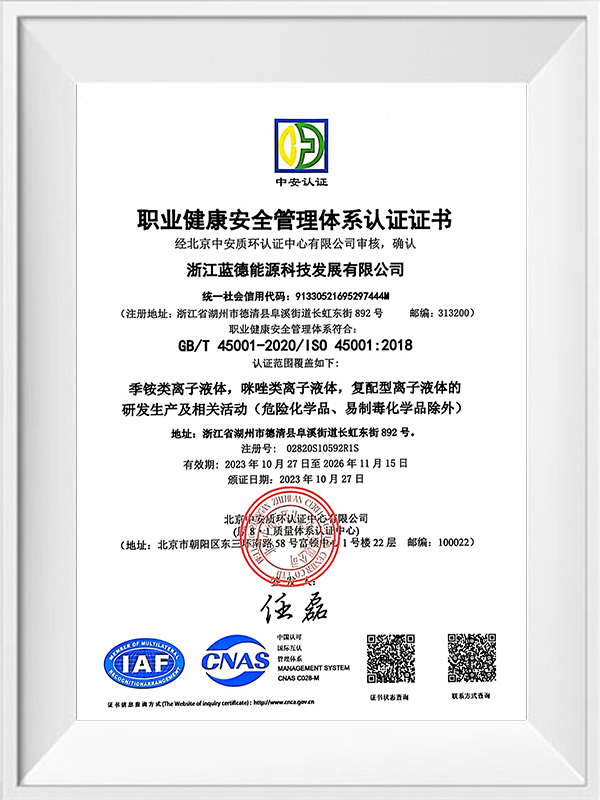
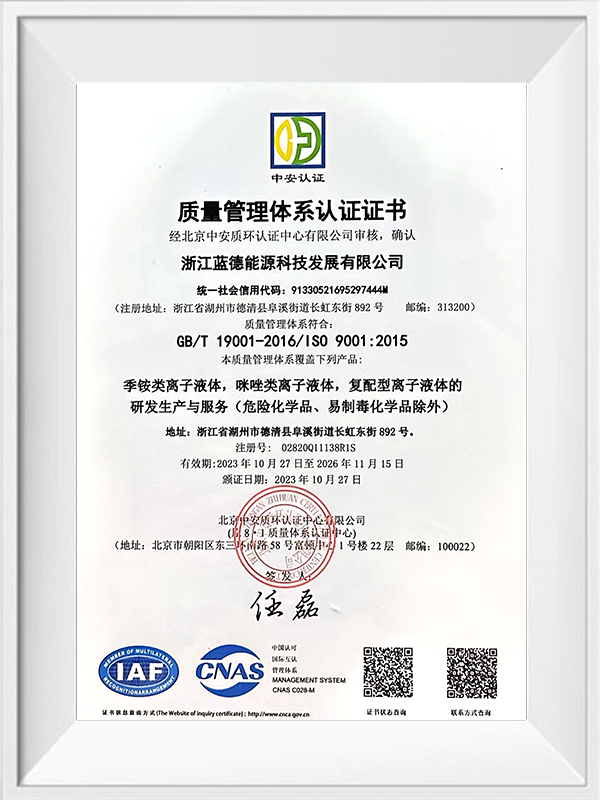

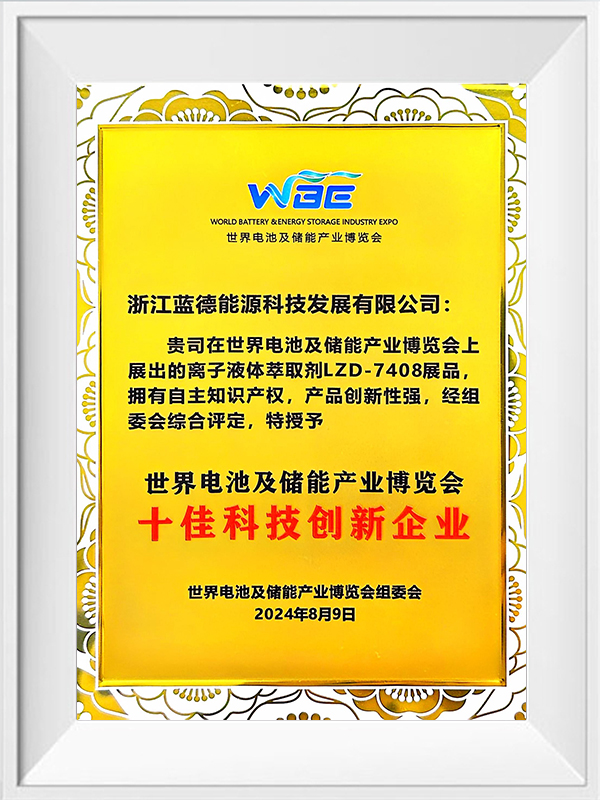
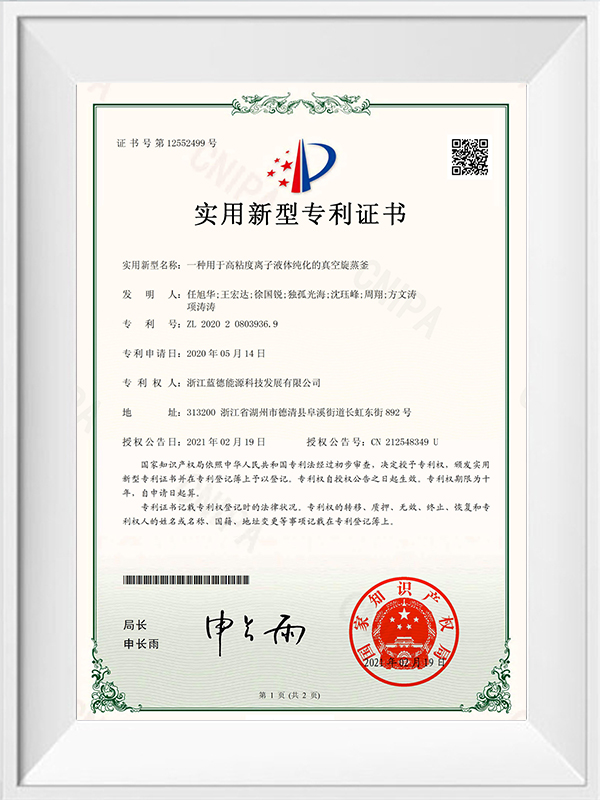
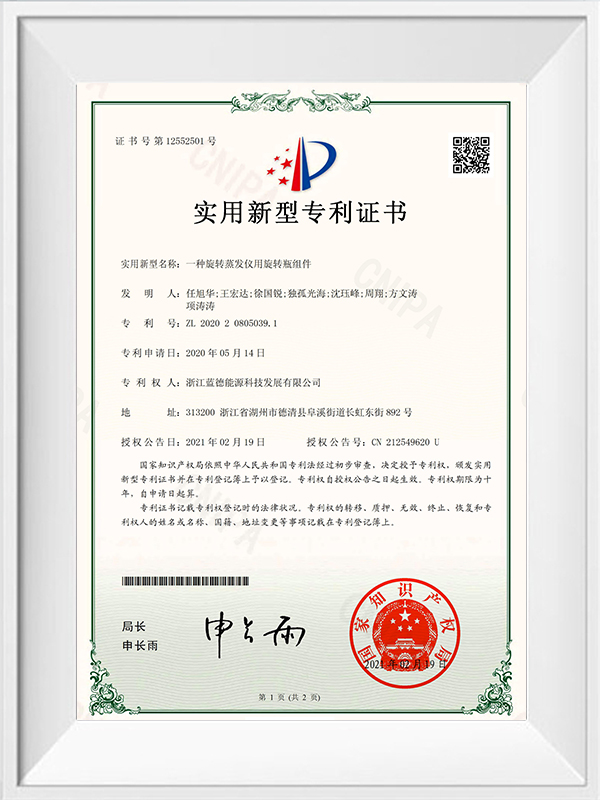
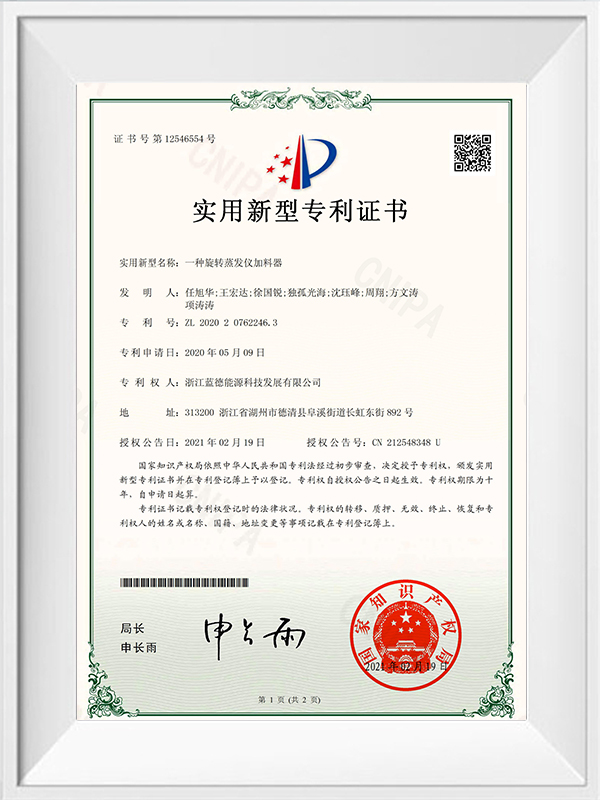
Introducere în bromura de 1-etil-3-metilimidazoliu Bromură de 1-etil-3-metilimidazoliu este un tip de lichid ionic cunoscut pentru stabilitatea chim...
CITIȚI MAI MULTEIntroducere la Lichide ionice Lichidele ionice sunt o clasă unică de săruri care rămân sub formă lichidă la sau aproape de temperatura camerei. Spre...
CITIȚI MAI MULTEÎnțelegerea lichidelor ionice polimerice și monomerice Lichidele ionice (IL) sunt săruri care rămân lichide la temperaturi relativ scăzute și sunt cunoscu...
CITIȚI MAI MULTEIntroducere la Bandă adezivă Agenți antistatici Agenții antistatici pentru bandă adezivă sunt aditivi specializați aplicați pe benzile adezive pentr...
CITIȚI MAI MULTEAre Pyrrolidine Ionic Liquids from Zhejiang Ldet Energy Technology Development Co., Ltd. Suitable for Pharmaceutical or Biomedical Applications?
Zhejiang Ldet Energy Technology Development Co., Ltd. (Lande Technology) has emerged as a formidable player in the field of ionic liquids, leveraging cutting-edge innovation to develop high-performance pyrrolidinium-based compounds. With a foundation rooted in advanced chemistry and an extensive research and development (R&D) pipeline, the company has successfully integrated ionic liquids into various industrial domains, from energy storage to catalysis. However, a critical question remains—can these proprietary pyrrolidine ionic liquids meet the stringent standards required for pharmaceutical and biomedical applications?
The Scientific Edge of Pyrrolidine Ionic Liquids
Pyrrolidinium-based ionic liquids are characterized by their exceptional thermal and chemical stability, minimal volatility, and tunable physicochemical properties. The integration of bis(trifluoromethanesulfonyl)imide (TFSI-) as an anion enhances their electrochemical performance, making them invaluable in specialized applications such as lithium battery electrolytes and advanced catalytic processes. Their non-volatile nature and low toxicity, relative to traditional solvents, position them as potential candidates for biomedical innovations.
Pharmaceutical and Biomedical Considerations
The pharmaceutical sector demands absolute precision, biocompatibility, and regulatory compliance when integrating novel materials into drug formulation, delivery systems, and biomedical engineering. Pyrrolidine ionic liquids present several advantages, but their applicability in this sensitive domain hinges on multiple factors:
1. Solvent and Drug Delivery Potential
Many ionic liquids demonstrate enhanced solubility for poorly water-soluble drugs, a significant hurdle in pharmaceutical formulations. The capacity of pyrrolidinium-based ionic liquids to dissolve complex organic compounds raises the possibility of their use in targeted drug delivery, sustained-release formulations, and even transdermal applications.
2. Cytotoxicity and Biocompatibility
While Lande Technology’s pyrrolidine ionic liquids boast high stability, their impact on biological systems remains a crucial area of investigation. Cytotoxicity studies would be imperative to determine whether these compounds induce adverse cellular responses. Preliminary research on ionic liquids suggests that structural modifications—such as fine-tuning alkyl chain lengths—can significantly influence biocompatibility.
3. Sterilization and Stability in Biomedical Environments
For biomedical applications, especially in tissue engineering and bioelectronic interfaces, materials must maintain stability under physiological conditions. Pyrrolidine ionic liquids must exhibit resistance to degradation in aqueous and enzymatic environments while preserving their functional integrity. Their antimicrobial properties could further augment their viability in medical coatings or wound healing applications.
4. Regulatory Hurdles and Industry Standards
The pharmaceutical and biomedical industries operate under stringent regulatory frameworks, including compliance with FDA (Food and Drug Administration) and EMA (European Medicines Agency) standards. Any potential deployment of ionic liquids in these fields requires extensive toxicity profiling, long-term biocompatibility assessments, and clinical validation—an intensive and costly endeavor.
Zhejiang Ldet Energy Technology Development Co., Ltd. has established itself as a pioneer in the ionic liquid sector, continuously refining its technology to push the boundaries of industrial applications. While pyrrolidine ionic liquids demonstrate promising characteristics for pharmaceutical and biomedical use, further research is needed to validate their safety and efficacy in these highly regulated domains. If Lande Technology pursues rigorous biocompatibility studies and regulatory approvals, these advanced materials could redefine drug delivery mechanisms, bioengineering materials, and next-generation therapeutics.
The potential is vast, but the journey from laboratory innovation to medical application is intricate and demanding. Whether pyrrolidine ionic liquids will become a mainstay in pharmaceuticals and biomedicine remains an open question—one that requires continued exploration and investment.
 Tehnologia Lande se concentrează pe
 Contact
Phone: +86-18857986217 WhatsApp: +86-13589504790 Email: [email protected][email protected] Adress: Nr. 892, Changhong East Street, Fuxi Street, Deqing County, Huzhou City, Provincia Zhejiang, China Drepturi de autor © Zhejiang Lande Energy Technology Development Co., Ltd. All
Drepturi
Rezervat
